
- 4 min 51 sec totality
- 2 Aug 2027
- ~79% clear skies
- Visa-free (most)
The eclipse here
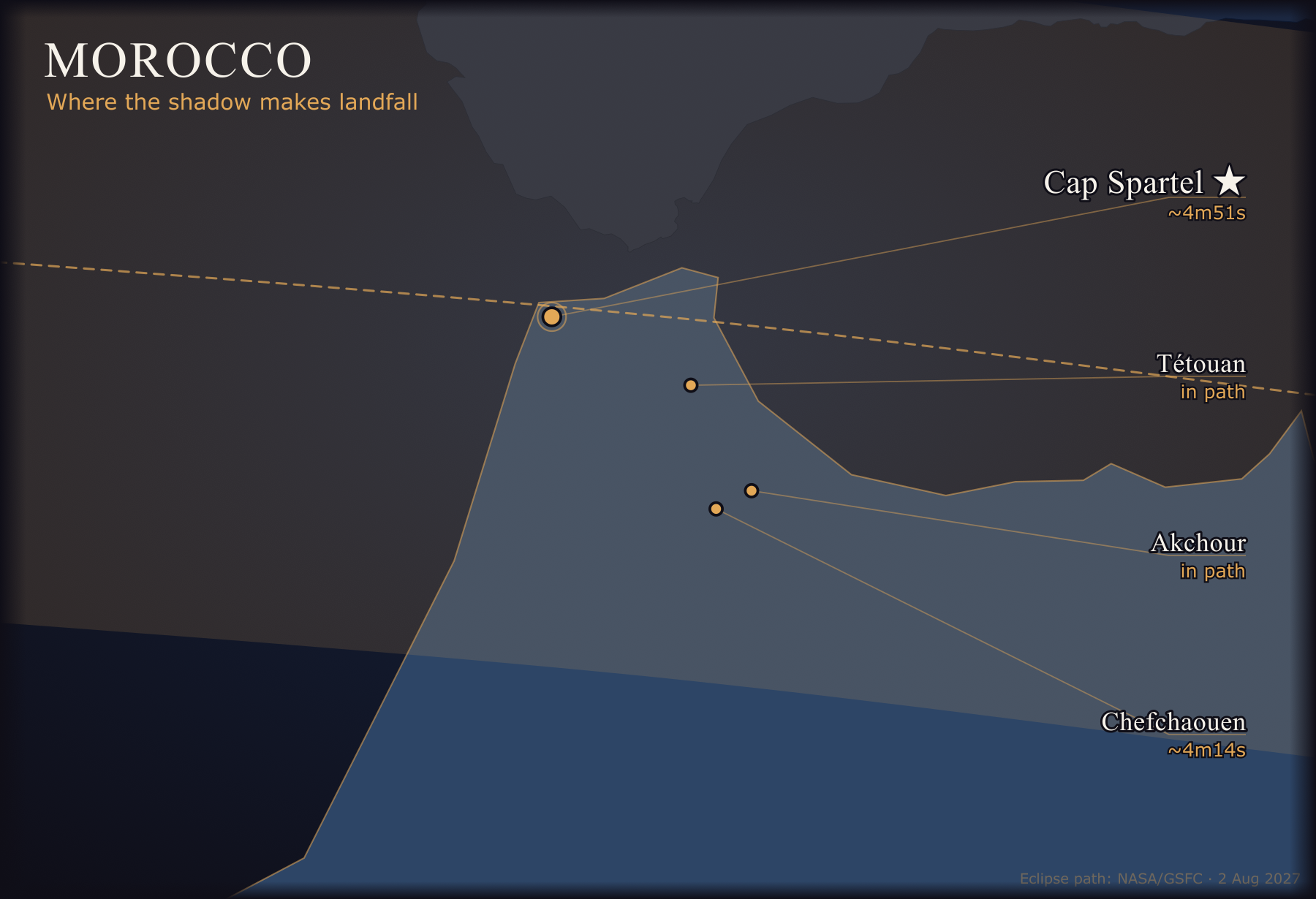
On 2 August 2027 the path of totality crosses northern Morocco from west to east in a band roughly 200 km wide. Totality reaches about 4 minutes 51 seconds near Tangier — where the shadow makes landfall around 9:44 a.m. — and Tétouan, and still runs over four minutes in Chefchaouen. Crucially, the north carries one of the highest clear-sky probabilities on the entire path, around 79%.
Four places worth the journey
All four sit inside the path of totality, within reach of a northern base — chosen for atmosphere over spectacle.
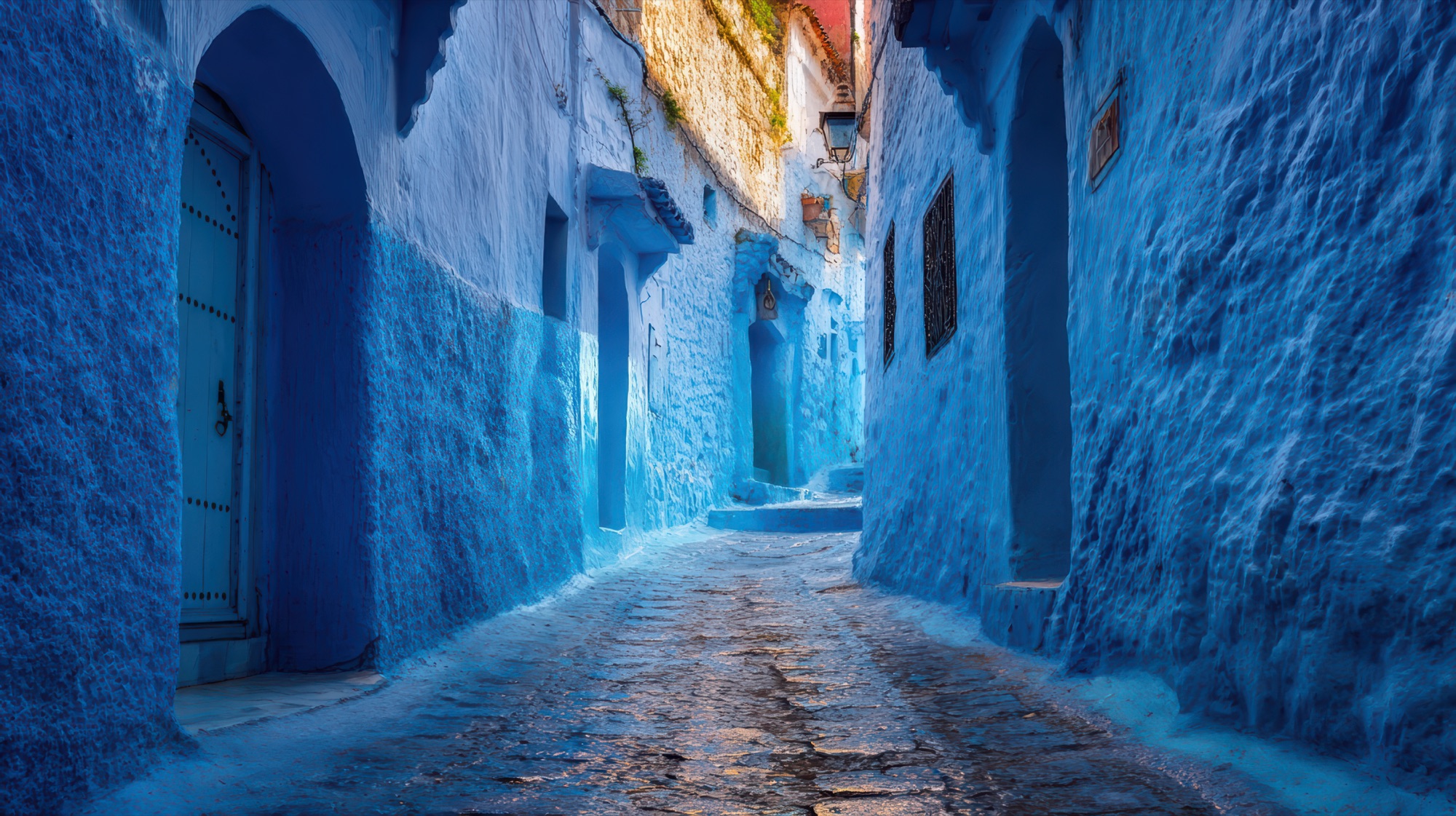
In the path · ~4m 14s
Chefchaouen, the Blue City
A mountain town washed entirely in shades of indigo, founded by Andalusian refugees and folded into the Rif. Quiet at dawn, genuinely otherworldly — and squarely under totality.
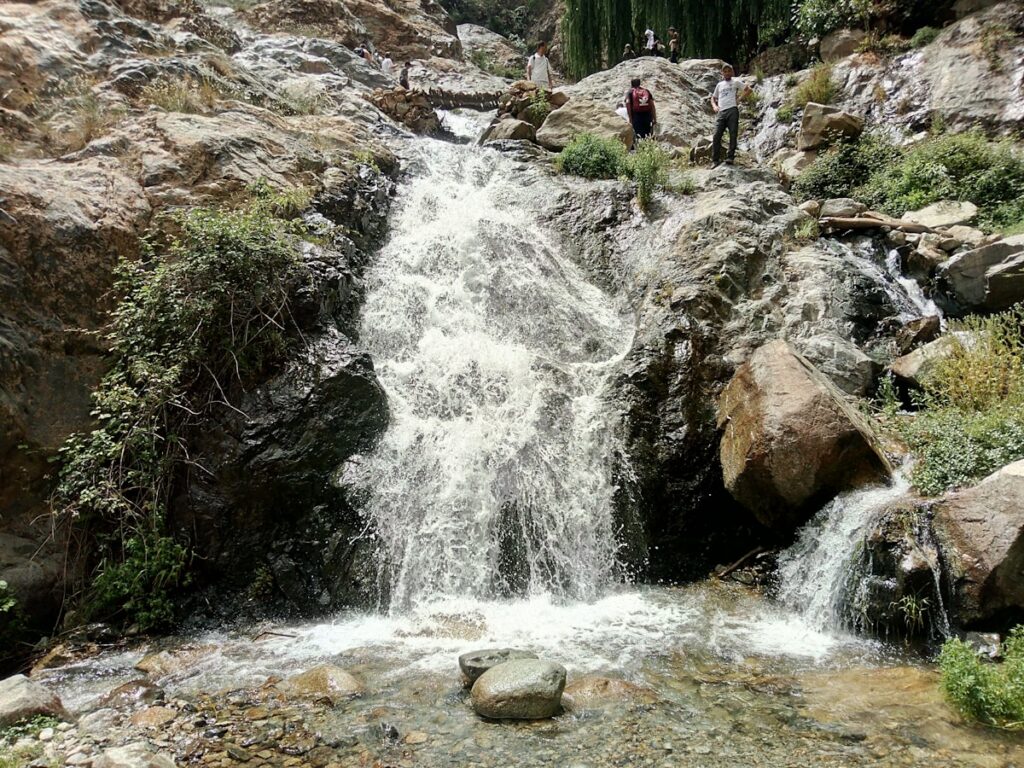
Wild & remote
Akchour & the northern Rif
Cedar forest, river gorges, the natural rock arch known as God’s Bridge and the falls at Akchour. Almost untravelled by Western visitors — the reset-in-nature counterpoint to the towns.
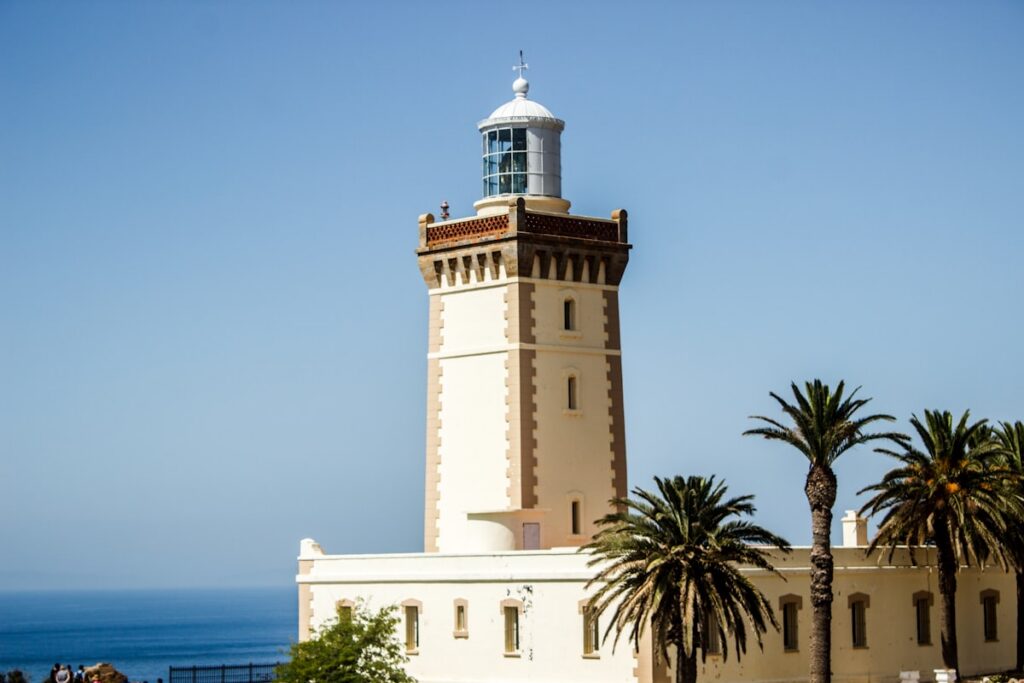
Where two seas meet
Cap Spartel & the Caves of Hercules
Africa’s north-west tip, where the Atlantic meets the Mediterranean — steeped in Greek myth as the resting place of Hercules. Dramatic cliffs, vast sunsets, the edge of a continent.
UNESCO · uncrowded
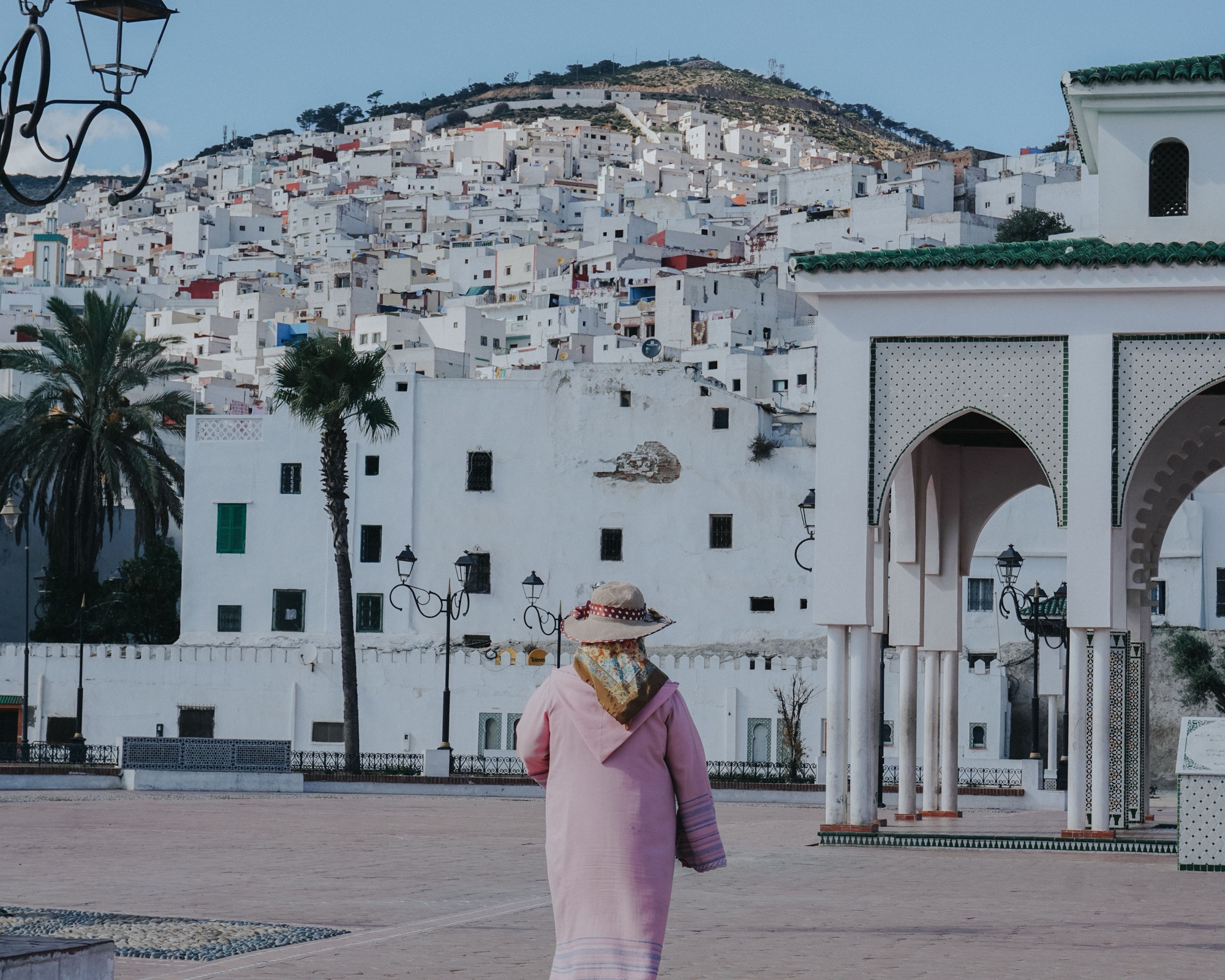
The Tétouan medina
The most complete Andalusian-Moroccan old town in the country, and a fraction as visited as Fez or Marrakech. White walls, mountain light, and craft still made by hand.
Knowing before you go
Getting there & remoteness
This is the “accessible exotic.” Tangier has its own international airport, fast ferries across the strait from southern Spain, and a high-speed train (Al Boraq) from Casablanca. The coast and cities are easy to move around; it’s only when you climb into the Rif that the genuine remoteness begins.
Weather in August
Hot, but kind on the coast — Tangier sits around 28–30 °C with an Atlantic breeze, far milder than Morocco’s interior. There is almost no rain, and the long clear skies are exactly why the north carries one of the highest eclipse-viewing probabilities on the whole path. Expect it warmer inland and in Chefchaouen.
Food
Vegetable-forward and made for unhurried, shared meals: slow tagines, Friday couscous, fresh Atlantic fish on the coast, olives, warm bread, sun-ripe fruit, and endless glasses of mint tea. The north adds an Andalusian and seafood accent you won’t find further south.
Religion
Predominantly Sunni Islam, practised moderately and with deep hospitality. The call to prayer five times a day becomes part of the rhythm of the week; Friday is the holy day. Visitors are warmly received — modest dress is simply appreciated, never demanded.
Culture
A layering of Amazigh (Berber), Arab, Andalusian and European threads, strongest here in the north where Spanish history runs deep. Expect a tea-and-welcome culture, living craftsmanship, Andalusian and Gnawa music — and, in Tangier, a famously bohemian, literary past.
History
Phoenician and Roman roots, successive Islamic dynasties, waves of Andalusian refugees who built Tétouan and Chefchaouen, and Tangier’s singular 20th-century life as an “International Zone.” The past here is layered and visible.
Languages
Arabic (the Moroccan dialect, Darija) and Tamazight are official; French is widely spoken; Spanish is common across the north; and English is growing in tourism. You’ll get by easily with French or English.
Money
The currency is the Moroccan dirham (MAD) — a closed currency you can’t buy before you arrive, so withdraw from an ATM on landing (they’re everywhere in the cities). Cards work in hotels and restaurants; carry cash for the medinas and tips. Prices are gentle by European standards; bargaining is normal in the souks, and tipping is customary.
Safety
Morocco is generally safe for visitors, the north included — violent crime is low and the country is politically stable. The usual care applies in busy medinas (petty theft, persistent “faux guides”). Solo women can expect some attention; modest dress and a little confidence go a long way.
Good to know
- Dress — modest in towns (shoulders and knees), relaxed at a private retreat.
- Alcohol — available, but only in licensed hotels, restaurants and bars, not everywhere.
- Connectivity — strong 4G; a cheap local eSIM or SIM (Maroc Telecom, Orange, Inwi) keeps you online.
- Health — no required vaccinations; drink bottled or filtered water; travel insurance is essential.
- Time zone — GMT+1 in summer.
- Respect — always ask before photographing people; Friday is the day of rest.
Entry & visas
For tourism, citizens of the EU/Schengen area, UK, US, Canada, Australia and New Zealand enter visa-free for up to 90 days — no advance visa, no e-visa. Your passport needs six months’ validity and a blank page. Rules change, so always confirm on your own government’s page before booking:
| You’re from | Tourist entry | Official source |
|---|---|---|
| United Kingdom | 90 days visa-free | gov.uk travel advice |
| United States | 90 days visa-free | travel.state.gov |
| Canada | 90 days visa-free | travel.gc.ca |
| Australia | 90 days visa-free | smartraveller.gov.au |
| New Zealand | 90 days visa-free | safetravel.govt.nz |
| EU / Schengen | 90 days visa-free | Your national foreign-ministry travel advice |
Switzerland and Norway (non-EU Schengen) follow the same 90-day rule. This is a guide, not official advice — verify with the sources above before you book.
The honest trade-off
From the Journal
Victoria as a Solipse gathering place: summer light, coast and reset
Victoria is not the most exotic place Solipse could begin. That is part of its strength.
Tunisia on the path: Sahara, Sfax and a quieter route to totality
Tunisia sits on the 2027 eclipse path with a different kind of promise. It is less obvious than Egypt, less…
Totality: why the sky going dark changes the body’s sense of time
A total solar eclipse is often described as a visual event: the moon passes in front of the sun, daylight…